
Most people don’t think twice about spending $15 on a bubble tea or $8 on coffee. They’re small purchases. Individual ones barely make a dent. But here’s what happens when you actually write them down for a month — the numbers shock you.
You’re not alone if you’ve never tracked these micro-expenses. Hong Kong’s fast-paced lifestyle makes it easy to tap your Octopus card or scan your phone without thinking. One coffee here, a quick snack there, a MTR top-up, a convenience store run. None of them feel significant in the moment. That’s exactly the problem.

The Month That Changes Everything
Try this for yourself. Spend exactly 30 days recording every single purchase. Not just the big ones. Everything. The $3 iced coffee. The $2.50 instant noodles. The $1 piece of fruit. The $5 parking ticket. The $12 lunch.
Most people discover something uncomfortable around week two. These tiny expenses aren’t tiny anymore. You’ll find you’re spending $150-250 per month on coffee alone if you’re a regular buyer. Bubble tea? Often hits $100-150. Convenience store snacks? $80-120. And that’s just three categories.
The math works like this: $8 coffee 20 workdays = $160. $15 bubble tea 8 times a month = $120. $5 lunch supplements 15 days = $75. Suddenly you’re at $355 before you’ve even bought groceries or paid rent.
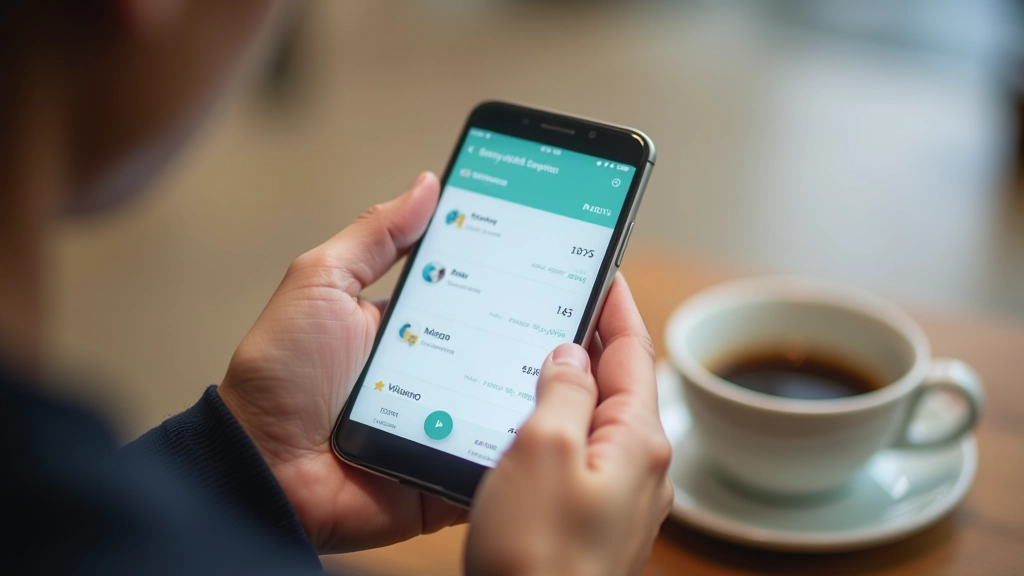
Here’s the insight: You don’t need to cut everything. You just need to see it first. Awareness is the tool that changes behavior naturally — not restriction, not guilt, just clear visibility.
Why Writing It Down Actually Works
There’s a psychological difference between knowing you spend money and physically recording it. When you write down “$8 for coffee” in a notebook or log it in an app, something shifts. You’re no longer swiping without thinking. You’re documenting a choice.
The act of recording creates what researchers call “transaction visibility.” Each time you reach for your Octopus card or tap your phone, you know you’ll be writing it down. That awareness alone changes behavior. You’ll start asking yourself: “Do I really want this coffee? Or do I want coffee more tomorrow?” That’s not deprivation. That’s actually choosing what matters to you.
Some people find they naturally reduce spending by 15-25% just from tracking — without consciously trying to cut back. Others realize they’re comfortable with their spending once they see it clearly. Both outcomes are valuable. The point isn’t to spend less. It’s to spend intentionally.

This guide is educational material designed to help you understand spending patterns. Individual results vary based on personal circumstances, income, and lifestyle. Always assess your own financial situation carefully.
Cash vs Octopus vs Mobile: Which Method Reveals Most
Your payment method actually affects how visible your spending becomes. Cash makes every purchase obvious — you see money physically leave your wallet. Octopus is convenient but creates distance. Mobile pay is fastest but easiest to forget.
For tracking purposes, here’s what we’ve observed: cash users often spot patterns fastest because they count remaining money and feel the depletion. Octopus users benefit from transaction history but need to actively check the app. Mobile pay users should take screenshots or screenshots receipts because the transactions can feel abstract.
The best approach? Use whatever payment method you normally use, then record it. Don’t change your behavior to track. The goal is to see your real spending, not an artificial version of it.

Starting Your 30-Day Record
You don’t need anything fancy. A small notebook works. A notes app on your phone works. A spreadsheet works. The format matters less than consistency.
Create simple categories: Food & Drink (separate coffee, meals, snacks), Transport (MTR, taxi, parking), Shopping (convenience stores, clothing, household), Entertainment, Other. Write the date, item, amount, and category. That’s it.
Days 1-7 feel annoying. You’ll forget purchases and have to estimate. Days 8-14 become routine. You’re already thinking “I’ll record this” when you spend. By day 21, patterns start appearing. You’ll see which days are heavy spending days. Which categories dominate. Which purchases you regret. That information is gold.
At day 30, total everything up by category. Most people are genuinely surprised. Then comes the real work — deciding what to do with that information. Maybe you’re fine with it. Maybe you want to shift some spending. Maybe you want to understand where unexpected leaks are happening. Whatever you decide, you’re deciding from actual data, not guesses.

The Real Reason to Track Small Purchases
Recording every purchase isn’t about shame or judgment. It’s about clarity. You’re not tracking to punish yourself. You’re tracking to know yourself better. To understand what your money is actually doing. To see whether your spending matches your values.
That’s why small amounts matter. They add up faster than you think. And when you see the total, you get to decide what happens next. Maybe nothing changes. Maybe everything changes. Either way, you’re choosing with full information instead of living with invisible leaks.
The month that changes everything doesn’t require a dramatic decision. It just requires 30 days of honest recording. After that, you’ll understand your spending in a way you never did before.