

Cent Sense Logo Cent Sense Contact Us
Contact Us

Cash vs Octopus vs Mobile Pay: Which Helps You Track Better

Different payment methods give you different visibility into spending. We break down the pros and cons for awareness and control.

10 min read Intermediate April 2026

You’re standing at a cafe in Central, deciding whether to pay with cash, tap your Octopus card, or use your phone. Seems like a small choice. But it’s actually one of the most important decisions you can make for tracking spending.

Here’s the thing — different payment methods show you your money in completely different ways. Cash feels real in your hand. Octopus is fast and invisible. Mobile pay is logged everywhere but you don’t see it happening. None of them are perfect. But one approach definitely works better than the others if your goal is actually knowing where your money goes.

We’ve helped hundreds of people in Hong Kong track micro-expenses for a month. The payment method they choose affects whether they succeed or get frustrated halfway through. So let’s break down what actually works.

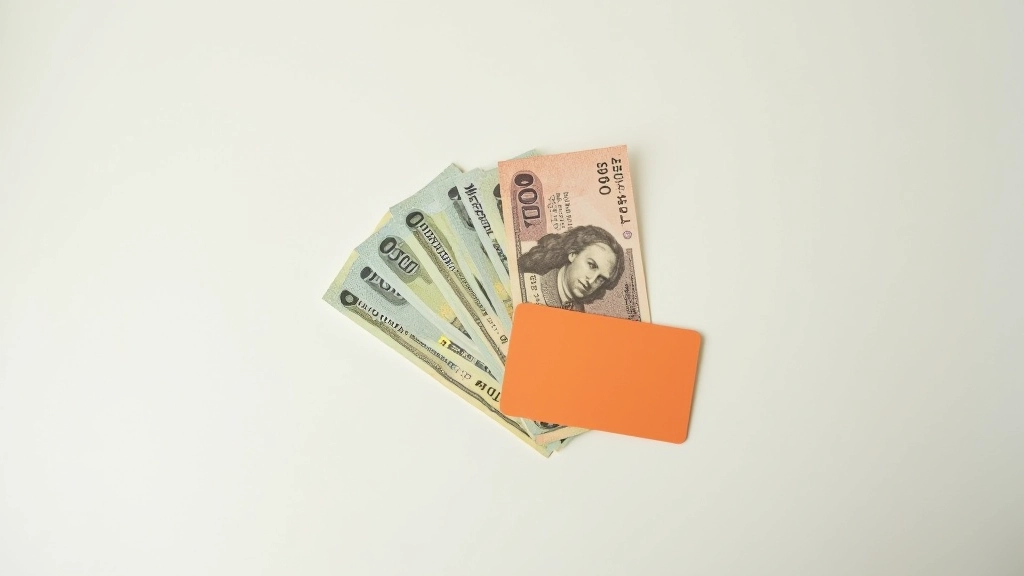
Comparison of cash wallet and Octopus card payment method on a table

Why Cash Forces Awareness

Cash has one massive advantage — it’s the only payment method that physically hurts when you spend it. You pull out a $100 note for bubble tea and you feel it disappear. Your wallet gets lighter. You can actually see how much you have left.

This isn’t romantic nostalgia. It’s psychology. Studies show people spend less when they use cash because the friction is real. You can’t just tap and forget. You have to make a conscious choice.

For spending tracking, cash has another benefit. Every purchase creates a gap in your cash supply that you notice. If you started Monday with $500 and now it’s Wednesday with $280, you know you’ve spent $220. That’s automatic tracking without any app or notebook.

The downside? It’s not detailed. You know you spent $220 but you won’t know how much went to food versus transport unless you kept receipts. And most people don’t.

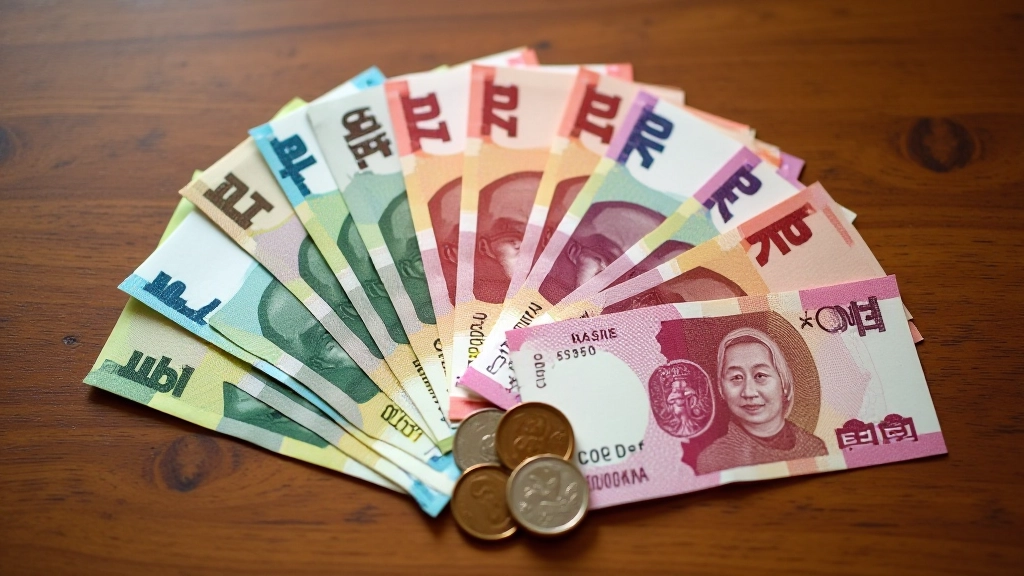
Close-up of Hong Kong cash notes and coins arranged on wooden surface
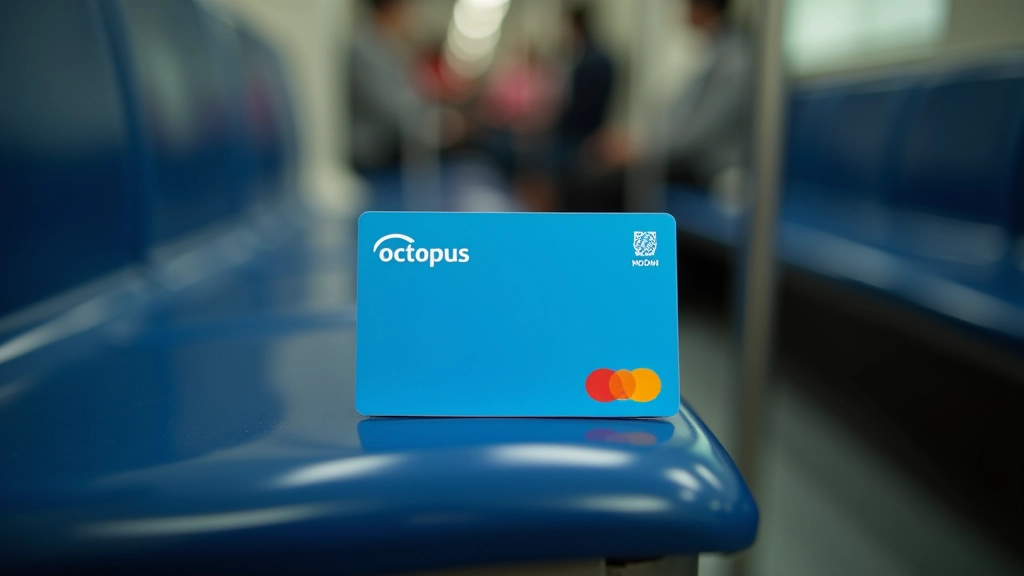
Blue Octopus card on Hong Kong public transport MTR platform

Octopus: Fast But Forgettable

Octopus works everywhere in Hong Kong — MTR, buses, convenience stores, restaurants, everywhere. You tap and move on. This is amazing for convenience. It’s terrible for awareness.

The problem is invisibility. When you tap your Octopus, nothing happens emotionally. No cash disappears from your hand. No receipt appears. You just move forward. Studies call this the “payment abstraction” problem. The easier a payment is, the less you notice you’re spending.

But here’s what makes Octopus different from mobile pay — the MTR station keeps detailed transaction logs. You can go online to your Octopus account and see your transaction history. Not perfectly organized by category, but it’s there. You tapped at a 7-Eleven on Central, another tap at a cafe on Des Voeux, then the MTR to Mong Kok.

For tracking purposes, Octopus gives you a middle ground. The spending is invisible when it happens, but the data exists afterwards if you dig for it.

Educational Note: This article compares payment methods for expense awareness purposes only. It’s not financial advice. Different payment systems have different privacy policies and transaction recording methods. Check your local providers for current features and data access procedures.

Mobile Pay: Detailed But Too Easy

Apple Pay, Google Pay, and other mobile wallets are the newest option. You’re essentially tapping your phone instead of a card. But the backend is completely different — and much better for tracking.

Here’s why mobile pay is actually the best for expense tracking. Every single transaction is logged in your phone. The payment app (Apple Wallet, Google Pay) creates a detailed history. Some apps even auto-categorize spending. You can see you spent on “Transport”, “Food & Drink”, “Shopping” with merchant names and times.

The issue is the same as Octopus — it’s too frictionless. You don’t feel the spending. But unlike Octopus, you get detailed data automatically. You don’t have to dig through a website or login to check. The data is right there on your phone.

Many people find that mobile pay works best when combined with an awareness practice. You spend with your phone, but you take 10 seconds to look at the transaction notification and actually acknowledge the amount. That small pause creates awareness.

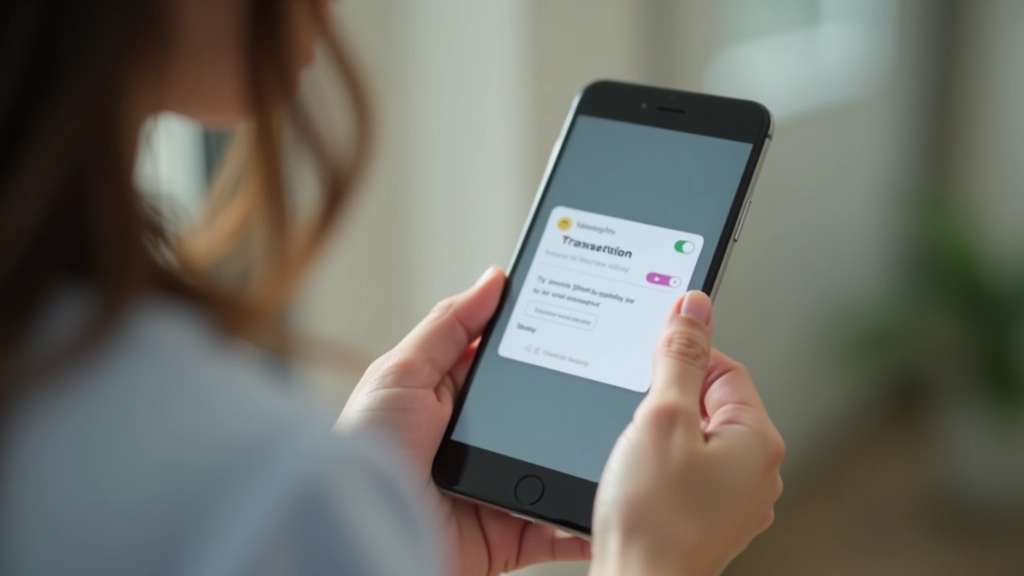
Smartphone displaying mobile payment transaction notification on screen

Quick Comparison: What Each Method Does Well

Cash

Creates physical awareness

Forces conscious decisions

No battery dependency

No automatic details

Need receipts for categories

Takes time to organize

Octopus Card

Accepted everywhere

Transaction history available

Works without battery

Too easy to overspend

Data requires manual lookup

Not categorized automatically

Mobile Pay

Automatic categorization

Detailed transaction logs

Instant notifications

Easiest to overspend

Phone dependency

Less psychological friction

The Best Approach: Hybrid Strategy

Here’s what actually works based on what we’ve seen with hundreds of people tracking for a month. You don’t pick one method and stick with it. You use different methods strategically.

Start with cash for your micro-expenses. The daily small stuff — coffee, breakfast, MTR, quick snacks. This creates awareness. You feel your money leaving. You make different choices.

For bigger purchases, use mobile pay. Restaurant meals, shopping, anything over $150. Why? Because you want the detailed transaction data. Mobile pay automatically logs and categorizes these. You’ll see exactly what you spent on food versus entertainment.

Use Octopus only for transit. MTR, buses, ferries. It’s convenient and these transactions are already separate from your spending analysis. You know you need to travel.

This hybrid approach gives you the best of everything. You get psychological awareness from cash for daily micro-expenses. You get detailed tracking from mobile pay for bigger purchases. And you keep transport separate because it’s a fixed need.

Person writing in spending journal with different payment cards visible on desk